Brass is one of the most valuable non-ferrous metals in the scrap industry, and if you know how to identify high-quality brass, you can significantly increase your earnings. In a growing recycling market like Adelaide, understanding the value of your brass scrap can make a big difference when selling to recyclers.
Whether you’re a homeowner, plumber, contractor, or scrap collector, knowing how to sort and identify high-value brass scrap is the key to getting the best possible price.
What Is Brass and Why Is It Valuable?
Brass recyclers Adelaide is an alloy made primarily of copper and zinc. Its durability, corrosion resistance, and excellent machinability make it widely used in plumbing, electrical fittings, and decorative items.
Because of its high copper content, brass holds strong value in the recycling market. Unlike some other metals, brass can be recycled multiple times without losing its properties, making it highly desirable for manufacturers.
Types of Brass Scrap
Before identifying value, it’s important to understand the different types of brass scrap commonly found:
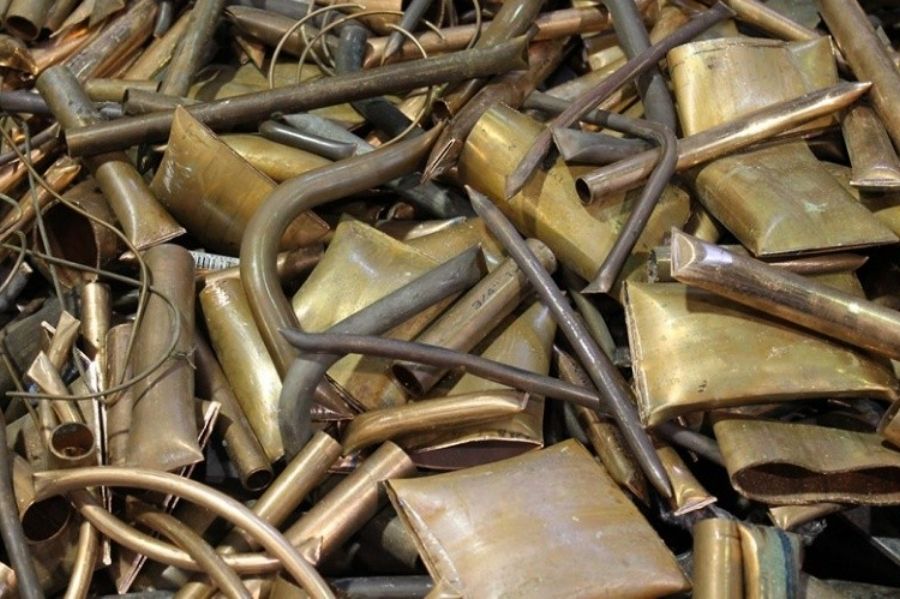
1. Clean Brass – This is the most valuable type. It includes items like taps, valves, and fittings that are free from attachments or contaminants.
2. Mixed Brass – This type may include small amounts of other materials such as plastic, rubber, or steel. It is still valuable but priced lower than clean brass.
3. Brass Turnings – These are small shavings or filings from machining processes. While recyclable, they usually fetch lower prices due to their form and possible contamination.
Knowing these categories helps you separate your scrap properly and maximize returns.
Key Signs of High-Value Brass Scrap
Identifying high-value brass is easier when you know what to look for. Here are some important indicators:
- Color and Appearance – Brass typically has a yellowish-golden color. High-quality brass often looks brighter and more uniform.
- Weight – Brass is heavier than many other metals. Heavier pieces usually indicate higher metal content and better value.
- Non-Magnetic Property – Brass is non-magnetic. If a magnet sticks to your scrap, it likely contains other metals, reducing its value.
- Minimal Contamination – The cleaner the brass, the higher the price. Items without plastic, rubber, or steel attachments are more valuable.
Read More – How Can You Maximise Cash for Scrap Metals in Adelaide?
Common Sources of High-Value Brass
You can find valuable brass scrap in many everyday items, such as:
- Plumbing fixtures (taps, valves, pipes)
- Door handles and locks
- Electrical connectors
- Decorative items and fittings
Plumbing brass, in particular, is often considered high-value due to its purity and weight.
How to Separate Brass for Maximum Profit
Proper sorting is one of the most effective ways to increase your earnings. Instead of selling mixed scrap, separate your brass into different categories.
Remove any non-metal parts such as plastic or rubber. Use basic tools to detach screws, fittings, or attachments. Clean brass always gets a better price compared to mixed loads.
Taking a little extra time to sort your scrap can significantly boost your final payout.
Understanding Brass Scrap Prices
The price of brass scrap depends on several factors, including:
- Global metal market rates
- Quality and purity of the brass
- Quantity of scrap
- Demand in local recycling markets
High-quality, clean brass usually commands the best prices. Keeping an eye on market trends can help you decide the right time to sell.
Mistakes to Avoid When Selling Brass Scrap
Many sellers lose money due to simple mistakes. Here are some common ones to avoid:
- Mixing brass with other metals
- Not cleaning the scrap before selling
- Ignoring current market prices
- Selling to unreliable buyers
Avoiding these mistakes ensures you get the maximum value for your brass.
Benefits of Recycling Brass
Recycling brass is not only profitable but also environmentally beneficial. It reduces the need for mining new materials and conserves natural resources.
Additionally, recycling consumes less energy compared to producing new brass, helping reduce carbon emissions and environmental impact.
In cities like Adelaide, recycling plays a vital role in promoting sustainability and reducing waste.
Why Choose Professional Brass Recyclers
Working with professional recyclers ensures that your scrap is properly evaluated and fairly priced. They have the expertise to assess different types of brass and offer competitive rates.
Many recyclers also provide convenient services such as free pickup and instant payment, making the process quick and hassle-free.
Choosing a trusted recycler can make a significant difference in your overall experience and profit.
Final Thoughts
Identifying high-value brass scrap is the key to maximizing your profits. By understanding the different types of brass, recognizing quality indicators, and properly sorting your materials, you can significantly increase your earnings.
Instead of treating scrap as waste, think of it as a valuable resource. With the right knowledge and approach, you can turn brass scrap into a steady source of income while contributing to a more sustainable environment.
If you have brass items lying around, take the time to identify and separate them properly—your effort will pay off.