
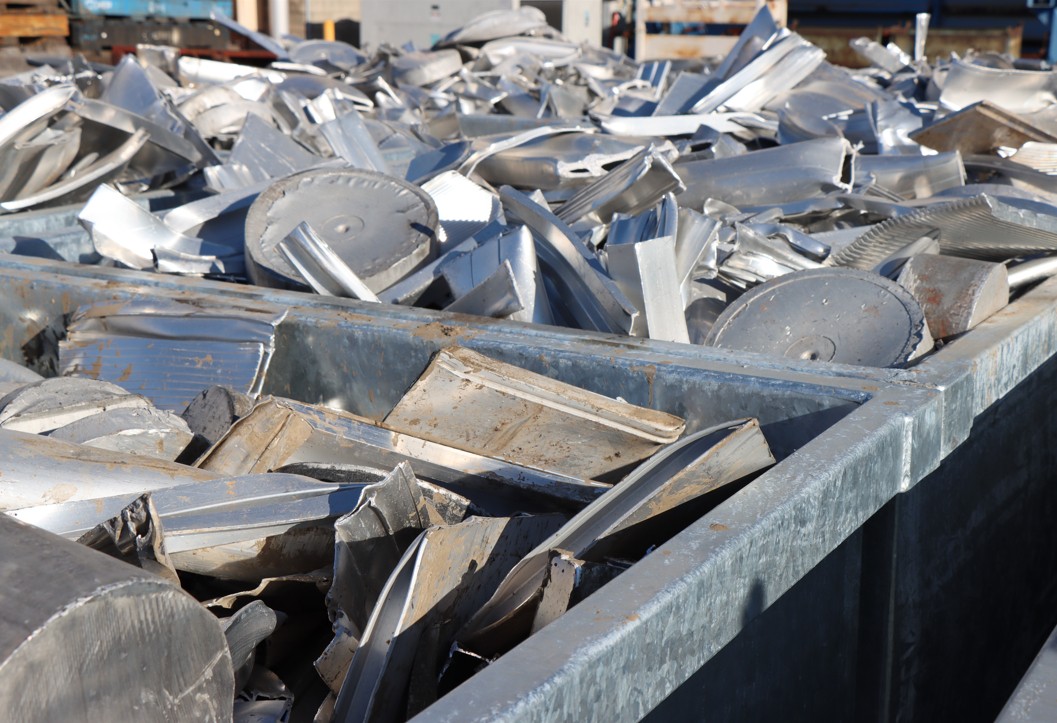
As the world continues to move towards sustainability, there are cities that have embraced green technology in Adelaide. There are a number of materials that have gained recognition in the recycling industry with aluminium being one of them. This is due to the recyclability nature of aluminium and its environmental benefits. With new technology and increasing knowledge about the environment, aluminium recycling Adelaide has become a strong tool.
This blog discusses the reasons why aluminium is an important material for recycling, how aluminium recycling Adelaide makes this possible and what the long term effects of this are for the people and the business environment cash for cars adelaide.
The Endless Life of Aluminium
Often called a “miracle metal” in recycling, aluminum is 100% recyclable and retains its properties through each cycle. From drink cans and car parts to window frames and construction scrap, aluminum. It can be repeatedly melted and reformed.
Unlike many materials that degrade after several cycles of recycling, aluminium retains. its strength, light weight and resistance to corrosion. From a sustainability standpoint, recycling aluminium uses 95% less energy than manufacturing aluminium from raw bauxite ore. Such energy efficiency has made aluminium recycling key sustainable waste management practice in Adelaide.
Why Aluminium Recycling Matters in Adelaide
Adelaide has earned recognition as Australia’s greenest city for decades, thanks to its environmental policies, efficient waste management, and strong community participation. These factors have placed South Australia as a national leader in recycling rates, and aluminium recycling plays a crucial role in this success.
Following are some major advantages of aluminum recycling:
Energy Saving – The aluminum recycling process uses only 5% of the energy which is used to extract and refine the new material. For each 1 ton of aluminum recycled, there is an amount of energy saved, enough to power one typical family house for several weeks.
Landfill Space Saving – Aluminum may require up to 400 years to decompose in landfill sites. With recycling process, thousands of tons of precious metal will not end up in landfill sites in Adelaide annually.
Economical Benefits – The aluminum sector provides huge economic opportunities for South Australia by providing employment for the collection, processing, and manufacturing of aluminium without. Import of raw materials from other countries.
Low Carbon Footprint – The recycling plants in Adelaide use most advanced technologies for maximizing the recovery of all materials collected.
How the Aluminium Recycling Adelaide Process Works
The facilities have invested in cutting-edge technologies to ensure maximum recovery from collected materials. Here’s how the process works:
- Sorting and Collection – The aluminium waste material is collected from residences, industries, and commercial areas. The aluminium material is sorted from these materials to avoid contamination by materials such as plastic and steel.
- Breaking Down and Cleaning – The sorted aluminium material is broken down into small pieces and cleaned.
- Melted and Purified – The small pieces of aluminium are heated at high temperatures in a furnace. This melted aluminium is purified and cast into ingots.
- Reuse of Materials – These new ingots are then supplied to factories where the aluminium material is remade and used in the manufacture of items such as cans, cars, and buildings.
This closed loop ensures that nearly every ounce of aluminium scrap collected in Adelaide has a new useful purpose, ultimately decreasing the need for raw material extraction.
The Future of Aluminium Recycling in Adelaide
Further development in technology is improving efficiency and accessibility in the recycling process of aluminium in Adelaide. Smart sorting methods and improvements in smelting methods have helped to improve the efficacy of recovery of products. Moreover, educational programs aimed at educating people on the proper sorting of recyclable materials are becoming more common.
There is no doubt about aluminium still being part of the journey towards becoming a zero waste city. A combination of government policy, corporate responsibility, and responsible citizens will help Adelaide become a leader in sustainable metal recycling.
Conclusion
Aluminium recycling adelaide does not only involve environmental responsibility. Every time an individual recycles an aluminium can, sheet, or scrap, he or she is making a contribution to a brighter future. Individuals and organizations that recycle aluminium become environmental protectors, innovators, emitters’ reducers, and circular economy players.