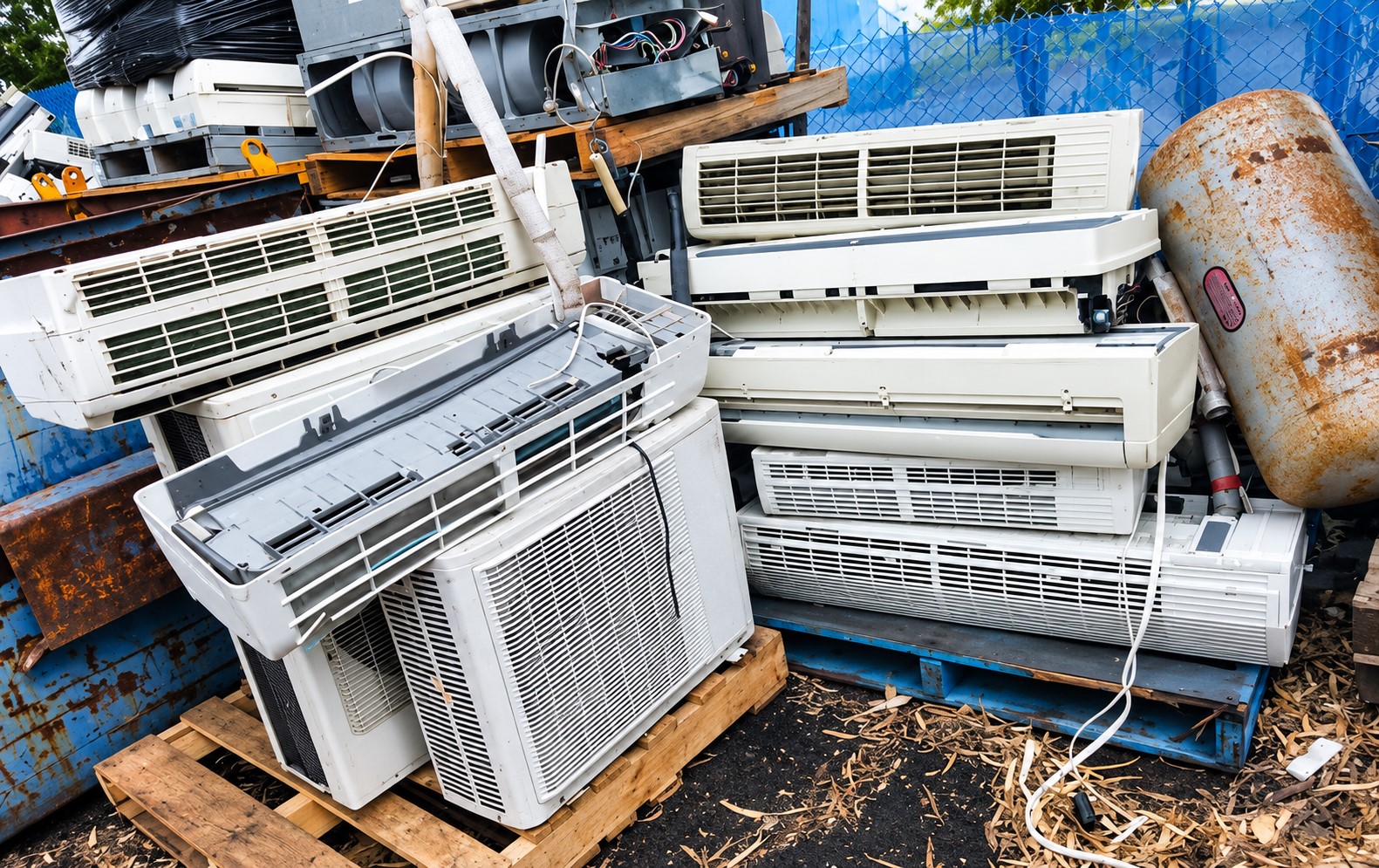
A broken air conditioner becomes an issue if it no longer cools efficiently, encounters a malfunction, or is superseded by a new air conditioning unit. People tend to store unwanted machines in the garage, yard or storeroom because of the lack of information regarding how to deal with them. However, air conditioner recycling adelaide is a solution that allows reusing valuable materials and prevents bulky equipment from going to waste.
For householders, service providers and companies from Adelaide, air conditioner recycling provides a simple and effective means of dealing with unwanted cooling units. There might be valuable components like copper, aluminum, steel or something else that could be reused in the future. Therefore, there is no need to throw everything away.
Reduce Unnecessary Waste
Air conditioners contain several parts that may be suitable for recycling, even when the unit no longer works. Sending an old system to an appropriate recycling facility helps separate useful materials from components that need special handling.
This reduces the amount of discarded equipment that may otherwise end up in landfill. It also encourages better waste management by making use of materials that are still worth recovering.
Whether you are replacing a small home air conditioner or removing several units from a commercial property, recycling gives you a more responsible way to deal with old equipment.
Recover Valuable Metals
One of the important considerations when recycling a used air conditioner is the fact that it contains certain metals. These include copper in the pipes, wiring, and coils, as well as aluminium which might be present in the heat exchangers.
These materials can be recycled to produce other products. Recycling of these materials ensures that the useful raw materials are utilized rather than considering the entire air conditioner to be just trash.
The quantity of the recyclable material differs according to the type of air conditioner that you have. In some cases, there may be more materials to recycle than others.
Clear Space Around Your Property
Broken air conditioners can take up more room than expected, especially when several units have been stored for months or years. They can make garages, workshops and storage areas difficult to organise.
Recycling unwanted equipment helps free up space for things you actually use. This is particularly useful for Adelaide businesses, property managers, builders and refrigeration technicians who regularly replace old cooling systems.
Instead of allowing unused units to collect dust, you can arrange suitable recycling and keep your property cleaner and more organised.
Make Better Use of Resources
Producing new metal products requires raw materials and energy. Recycling metals recovered from old air conditioners helps reduce the need for some newly extracted resources and supports the reuse of existing materials.
Although recycling does not remove every environmental impact, it can help reduce waste and make better use of the materials already available.
For businesses that frequently upgrade air conditioning systems, responsible recycling can also become part of a more organised approach to managing unwanted equipment. Separating recyclable items from general waste makes it easier to handle each material appropriately.
Recycle Different Types of Air Conditioners
Different air conditioners may be suitable for recycling depending on their type, condition and the recycling facility’s requirements.
Provide Equipment Details: If you have several old air conditioners, share their approximate sizes and quantities with the recycler to help determine the available recycling options.
Window Air Conditioners: These units are often replaced when they stop cooling properly or develop faults. Some metal components may be suitable for recycling.
Split-System Air Conditioners: These systems are commonly removed during home renovations, property upgrades or when installing new cooling equipment.
Portable Air Conditioners: These units contain metal and electrical components that may be recyclable, depending on their design and the recycler’s requirements.
Commercial Air Conditioning Systems: Larger systems used in offices, shops and commercial buildings may contain significant amounts of scrap metal.
Check Acceptance Requirements: Not every recycler accepts all types of air conditioners. Contact the recycling facility first to confirm which units and materials are accepted.
Handle Old Units Safely
Air conditioners need careful handling because they may contain refrigerants, compressor oils and electrical components. These substances and components should not be treated like ordinary household rubbish.
Refrigerants must be recovered using appropriate methods before the relevant equipment is opened or processed. Depending on the system, a qualified technician may be required to disconnect the unit and recover the refrigerant safely.
Avoid cutting refrigerant lines, opening sealed compressor units or attempting to remove oils yourself. Safe preparation protects people and helps prevent the release of substances that can harm the environment.
Before transporting your old air conditioner, ask the recycling provider whether any professional disconnection or preparation is required.
Find the Right Recycling Option in Adelaide
Choosing a suitable recycler can make the process much easier. Before arranging collection or delivery, check whether the business accepts your particular air conditioner and ask about any preparation requirements.
It is also helpful to confirm transport arrangements, particularly if you have large commercial units or multiple systems. Some equipment may require specialist handling before it can be accepted for scrap metal recycling.
If you are hoping to receive payment, ask whether your unit has any scrap value. This depends on the recoverable metals, the equipment’s condition, its weight and current market prices. Some units may incur handling or processing costs instead, so confirm the details beforehand.
Final Thoughts
Recycling old air conditioning units is a practical way to clear unwanted equipment, recover useful metals and reduce unnecessary waste. Whether you are replacing a home cooling system, cleaning out a workshop or upgrading commercial equipment, the right recycling arrangements can make the job easier.
The most important step is to ensure that refrigerants, oils and electrical components are handled safely before the equipment enters the recycling process.