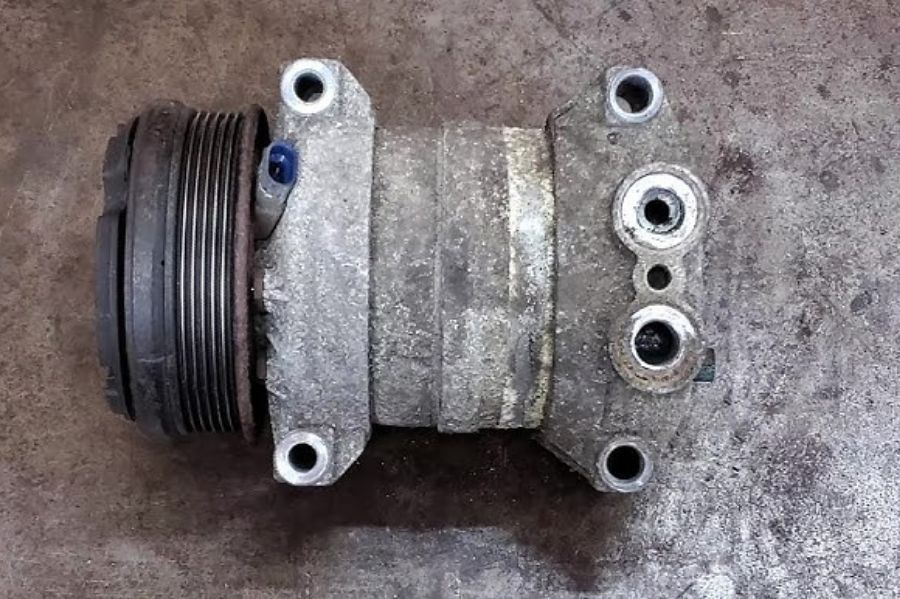
Old compressors are commonly found in air conditioning systems, refrigerators, industrial machines, and workshops. When these units stop working or become outdated, many people choose to recycle them instead of letting them sit idle. But have you ever wondered what actually happens to these compressors after they are collected?
In a growing recycling hub like Adelaide, compressors go through a detailed and efficient process that ensures maximum value recovery and minimal environmental impact. Let’s explore the journey of a compressor after it enters the recycling system.
Collection and Transportation
The process begins when individuals or businesses contact a compressors recycling Adelaide service to dispose of a compressors. Many recyclers offer pickup services, making it easy to remove bulky equipment without hassle.
Once collected, compressors are transported to a licensed recycling facility. Proper handling during transportation is important because compressors often contain oils, gases, and metal components that require careful processing.
Initial Inspection and Sorting
At the recycling facility, compressors undergo a thorough inspection. Technicians assess their type, size, and condition to determine the best way to process them.
Compressors are typically sorted into categories such as:
- Refrigeration compressors
- Air conditioning compressors
- Industrial compressors
Sorting helps recyclers decide how to extract the most value from each unit and ensures efficient processing.
Safe Removal of Oils and Refrigerants
One of the most critical steps in compressor recycling is the removal of oils and refrigerants. These substances can be harmful to the environment if not handled properly.
Specialized equipment is used to extract:
- Compressor oil
- Refrigerant gases
These materials are either safely disposed of or sent for further recycling. This step ensures compliance with environmental regulations and prevents pollution.
Dismantling the Compressor
After hazardous materials are removed, the compressor is dismantled. Skilled technicians take apart the unit to separate different components.
Key materials extracted include:
- Copper coils
- Aluminum parts
- Steel casing
Each material is sorted individually to prepare it for recycling. Copper, in particular, is highly valuable and often contributes significantly to the overall scrap value.
Shredding and Material Separation
Once dismantled, the remaining parts are processed through shredding machines. These machines break down the components into smaller pieces, making it easier to separate materials.
Advanced techniques such as magnetic separation are used to isolate metals like steel from non-magnetic materials such as copper and aluminum.
This stage ensures that each material is recovered efficiently and prepared for reuse.
Read More – Scrap Metal Buyer in Adelaide – What You Need to Know
Melting and Refining Metals
After separation, the recovered metals are sent to smelting facilities where they are melted and refined.
- Copper is melted and purified for reuse in electrical and plumbing applications
- Aluminum is processed into new sheets or components
- Steel is recycled into construction and manufacturing materials
The refining process ensures that the scrap metals Adelaide meet industry standards and can be used in new products.
Reuse in Manufacturing
Recycled materials from compressors are widely used across various industries. These include:
- Automotive manufacturing
- Construction projects
- Electrical equipment production
Instead of mining new resources, manufacturers rely on recycled metals, which helps reduce costs and environmental impact.
This circular process ensures that old compressors are transformed into valuable raw materials for future use.
Environmental Benefits of Old Compressors Recycling
Recycling old compressors has significant environmental advantages, especially in a city focused on sustainability like Adelaide.
Key benefits include:
- Reduction in landfill waste
- Conservation of natural resources
- Lower energy consumption compared to new metal production
- Prevention of harmful chemical leaks
By recycling compressors, individuals and businesses contribute to a cleaner and greener environment.
Economic Value of Scrap Compressors
Old compressors are not just waste—they are a valuable source of scrap metal. Components like copper and aluminum have strong market demand, making compressors worth money.
The value depends on factors such as:
- Type of compressor
- Weight and material content
- Current scrap metal prices
This is why many recyclers offer cash payments for old compressors, turning unwanted equipment into a source of income.
Role of Professional Recycling Services
Professional recyclers in Adelaide play a vital role in ensuring that compressors are processed safely and efficiently. They have the expertise, tools, and facilities required to handle complex recycling tasks.
Many services also provide:
- Free pickup
- Instant payment
- Transparent pricing
Choosing a reliable recycler ensures that your compressor is handled responsibly while maximizing its value.
Final Thoughts
So, where do old compressors go after recycling in Adelaide? They go through a complete transformation—from collection and dismantling to material recovery and reuse in new products. What may seem like useless equipment is actually a valuable resource when processed correctly.
Recycling compressors not only helps you earn cash but also supports environmental sustainability and resource conservation. It’s a smart and responsible way to dispose of old equipment while contributing to a circular economy.
If you have unused compressors lying around, recycling them is the best decision—for your wallet and for the environment.